
A car (or automobile) is usually a wheeled motorized vehicle used for transportation. Most definitions of car say they run totally on roads, seat anyone to eight people, have four tires, and mainly transport people as an alternative to goods. Cars entered global use over the 20th century, and developed economies count on them. The year 1886 is considered the birth year from the modern car when German inventor Karl Benz patented his Benz Patent-Motorwagen. Cars became widely accessible in the early last century. One in the first cars which were accessible to the masses was the 1908 Model T, an American car manufactured through the Ford Motor Company. Cars were rapidly adopted inside the US, where they replaced animal-drawn carriages and carts, but took for a long time to be accepted in Western Europe along with parts on the world.Cars have controls for driving, parking, passenger comfort and safety, and controlling a range of lights. Over the decades, functions and controls are already added to vehicles, driving them to progressively more complex. Examples include rear reversing cameras, air-con, tracking devices, and in-car entertainment. Most cars utilized in the 2010s are propelled by an indoor combustion engine, fueled through the combustion of energy sources. This causes pollution and also plays a role in climate change and wipeout of the earths. Vehicles using alternative fuels for instance ethanol flexible-fuel vehicles and gas vehicles can also be gaining popularity in certain countries. Electric cars, which are invented early inside history from the car, started to become commercially accessible in 2008.There are costs and benefits to car use. The costs include getting the vehicle, rates of interest (if your car is financed), repairs and maintenance, fuel, depreciation, driving time, parking fees, taxes, and insurance. The costs to society include maintaining roads, land use, road congestion, pollution, public health, medical, and disposing on the vehicle after its life. Road traffic accidents include the largest reason for injury-related deaths worldwide.The benefits include on-demand transportation, mobility, independence, and convenience. The societal benefits include economic benefits, for instance job and goal setting from the automotive industry, transportation provision, societal well-being from leisure and travel opportunities, and revenue generation through the taxes. The ability for anyone to move flexibly around has far-reaching implications to the nature of societies. It was estimated in 2014 which the number of cars was over 1.25 billion vehicles, up in the 500 million of 1986. The numbers are increasing rapidly, particularly in China, India as well as other newly industrialized countries.
Related Images with Why do so many of us still buy cars with offroad abilities? Video Roadshow
Review: 2010 Lancer GTS The Truth About Cars

2017 Mitsubishi ASX 2.2D Auto AWD 5 review Autocar
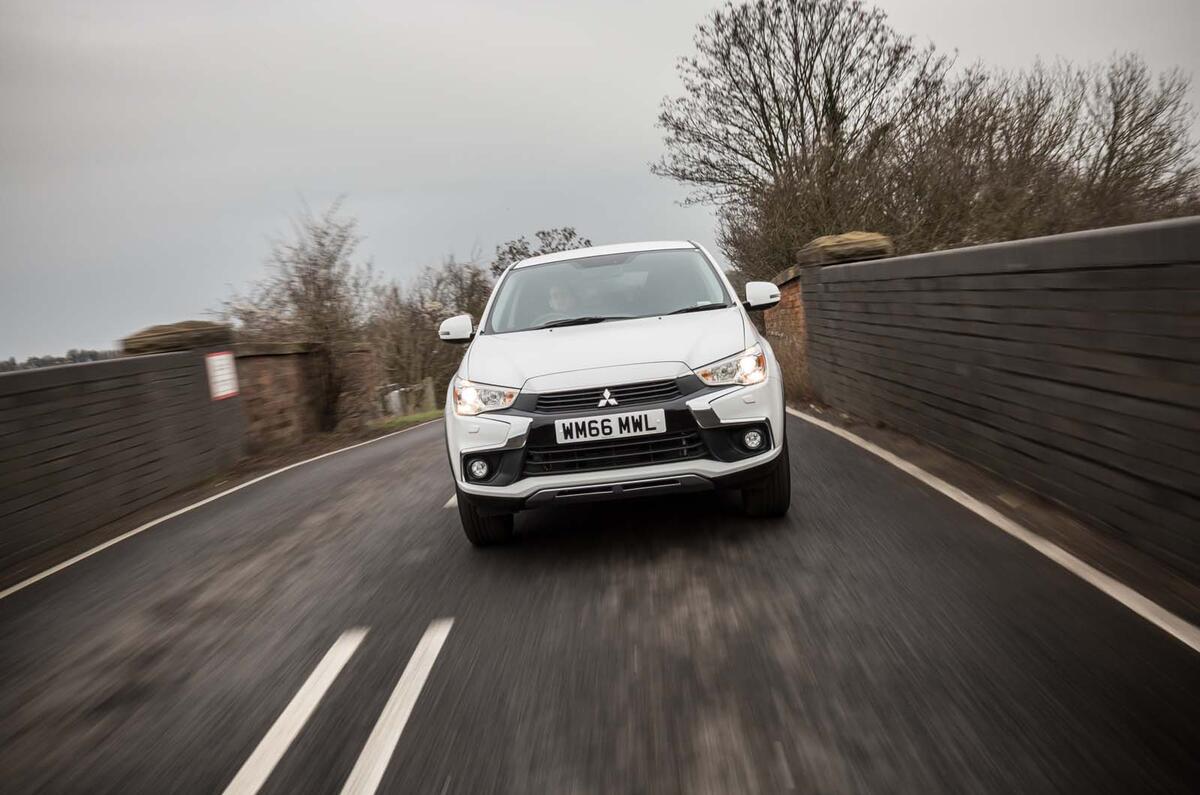
Mitsubishi ASX 1.8 CVT review Autocar
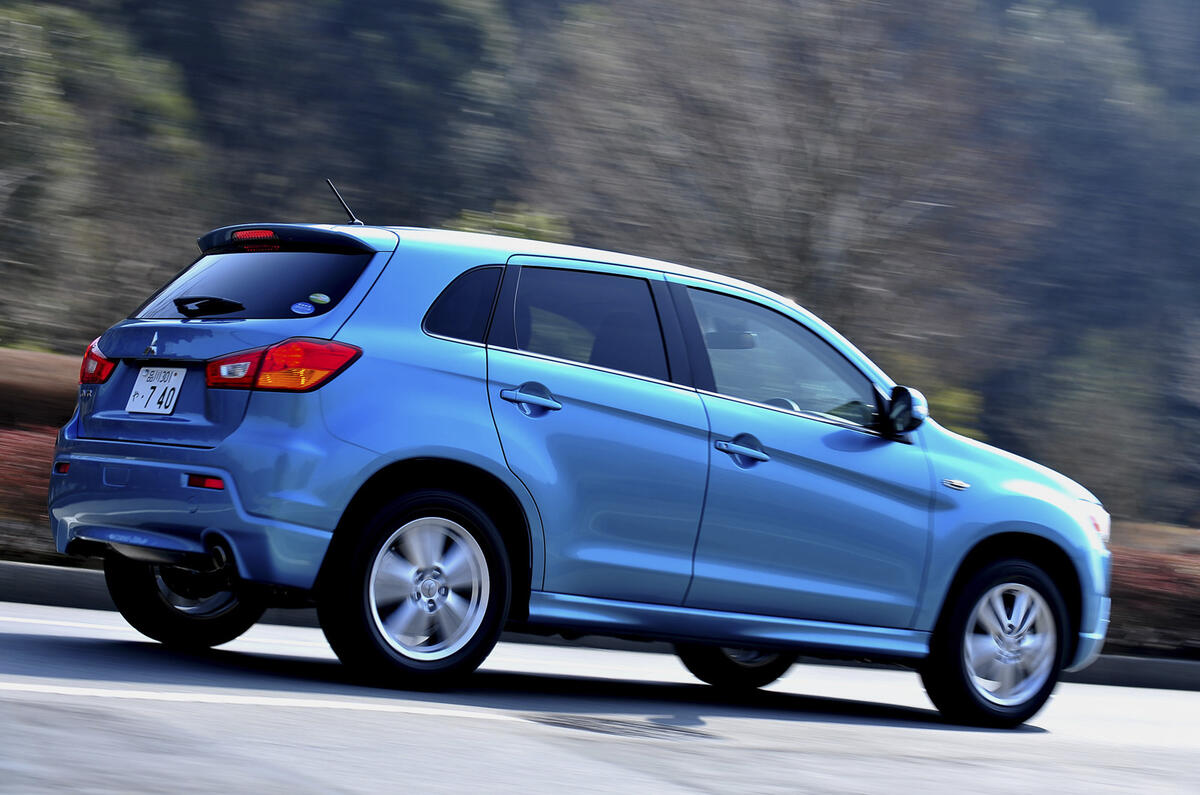
Mitsubishi, Volvo Named to List of Brands to Disappear in 2014 \u00bb AutoGuide.com News

Add Comments