
A car (or automobile) is really a wheeled car used for transportation. Most definitions of car say they run mainly on roads, seat someone to eight people, have four tires, and mainly transport people as an alternative to goods. Cars got into global use over the 20th century, and developed economies depend upon them. The year 1886 is among the most birth year in the modern car when German inventor Karl Benz patented his Benz Patent-Motorwagen. Cars became accessible in the early twentieth century. One with the first cars which were accessible to the masses was the 1908 Model T, an American car manufactured with the Ford Motor Company. Cars were rapidly adopted from the US, where they replaced animal-drawn carriages and carts, but took a lot longer to be accepted in Western Europe along with parts on the world.Cars have controls for driving, parking, passenger comfort and safety, and controlling various lights. Over the decades, other functions and controls have already been added to vehicles, which makes them progressively more complex. Examples include rear reversing cameras, ac, tracking devices, and in-car entertainment. Most cars utilized in the 2010s are propelled by an indoor combustion engine, fueled because of the combustion of classic fuels. This causes smog and also plays a role in climate change and our planets atmosphere. Vehicles using alternative fuels like ethanol flexible-fuel vehicles and gas vehicles are gaining popularity in many countries. Electric cars, that had been invented early inside the history in the car, started become commercially accessible in 2008.There are costs and benefits to car use. The costs include getting the vehicle, charges (when the car is financed), repairs and maintenance, fuel, depreciation, driving time, parking fees, taxes, and insurance. The costs to society include maintaining roads, land use, road congestion, pollution, public health, medical care, and disposing with the vehicle after its life. Road traffic accidents will be the largest root cause of injury-related deaths worldwide.The benefits include on-demand transportation, mobility, independence, and convenience. The societal benefits include economic benefits, for example job and goal setting from the automotive industry, transportation provision, societal well-being from leisure and travel opportunities, and revenue generation in the taxes. The ability for anyone to move flexibly around has far-reaching implications to the nature of societies. It was estimated in 2014 which the number of cars was over 1.25 billion vehicles, up through the 500 million of 1986. The numbers are increasing rapidly, specially in China, India as well as other newly industrialized countries.
Related Images with 2018 audi rs5 for sale info update giosautocare.org
New 2018 Audi RS5 Sportback revealed CAR Magazine
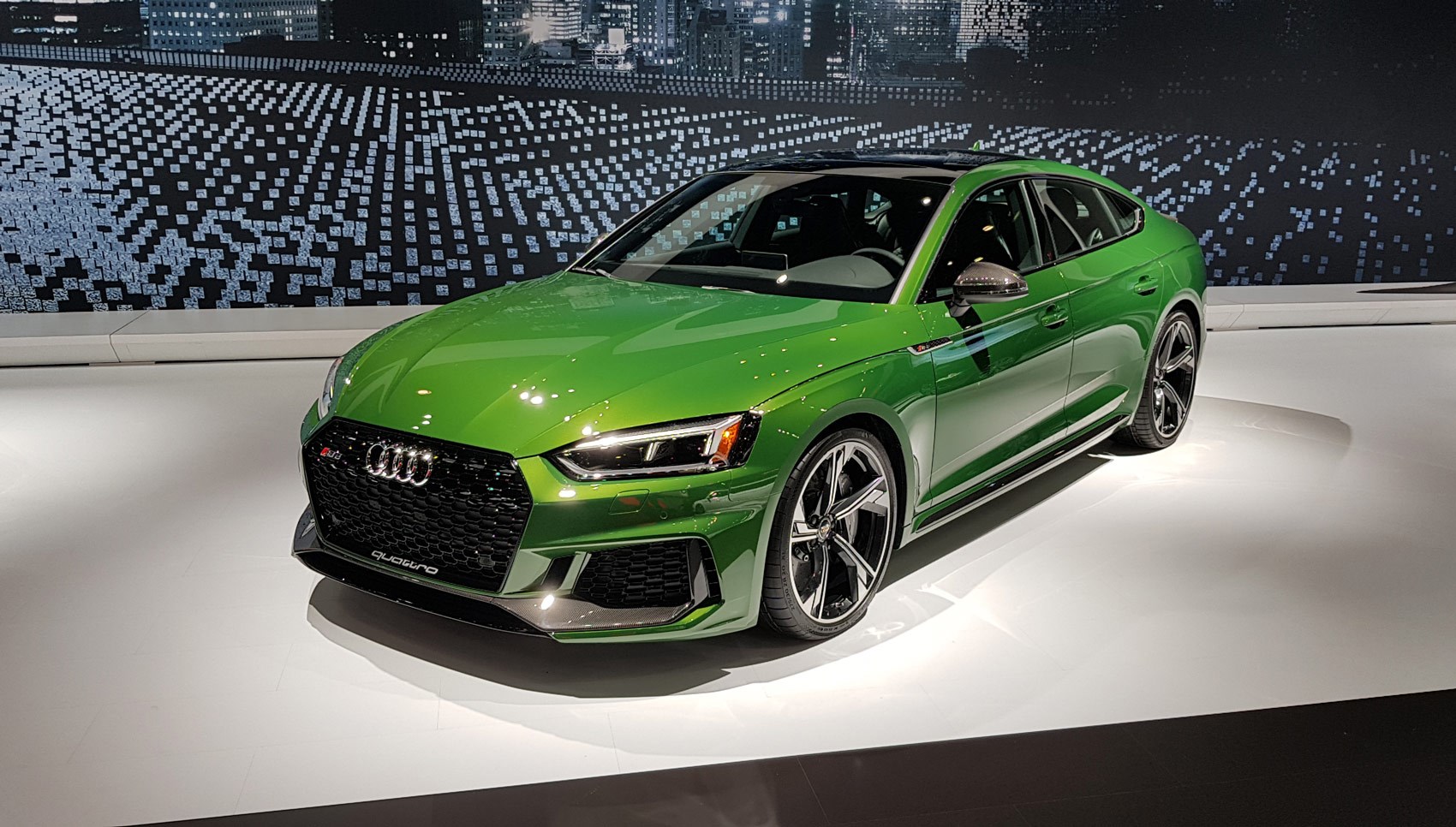
Used 2018 AUDI RS5 RS 5 Coup 2.9 TFSI quattro 450 PS tiptronic for sale in Staffordshire

2018 Audi RS5: Geneva 2017 Photo Gallery Autoblog

Used 2018 Audi RS5 2.9 TFSI Carbon Edition Tiptronic Quattro 3dr for sale in Essex Pistonheads

Add Comments